Thinking about trading a tighter lot for a little elbow room? In Hinesburg, that idea can be especially appealing. You can find a real mix of village living, rural roads, open land, and homes with space to spread out, but buying a property with land here also means asking a different set of questions. This guide will help you think through lifestyle, upkeep, utilities, and due diligence so you can decide what makes sense for you. Let’s dive in.
Why Hinesburg Appeals to Land Buyers
Hinesburg offers a blend of small-town convenience and rural character that many buyers are looking for. The town sits southeast of Burlington, with a village centered on Route 116, open farmland along the LaPlatte River, and a landscape that includes both Champlain Valley lowlands and Green Mountain foothills.
That setting matters when you are searching for a home with land. Some properties are closer to the village growth area, where municipal water and sewer get priority. Others are in more rural residential areas with larger parcels, forests, and fewer public utility connections.
Hinesburg also has a strong connection to open space. Town materials highlight the importance of farmland, forests, and lower-density development to the town’s rural character, and the Hinesburg Land Trust has helped conserve more than 2,000 acres of agricultural, natural, and heritage land.
What “More Land” Really Means
A larger parcel can absolutely give you more privacy and flexibility. You may have room for gardens, outbuildings, recreation, or simply more distance from neighboring homes. For many buyers, that is the whole point.
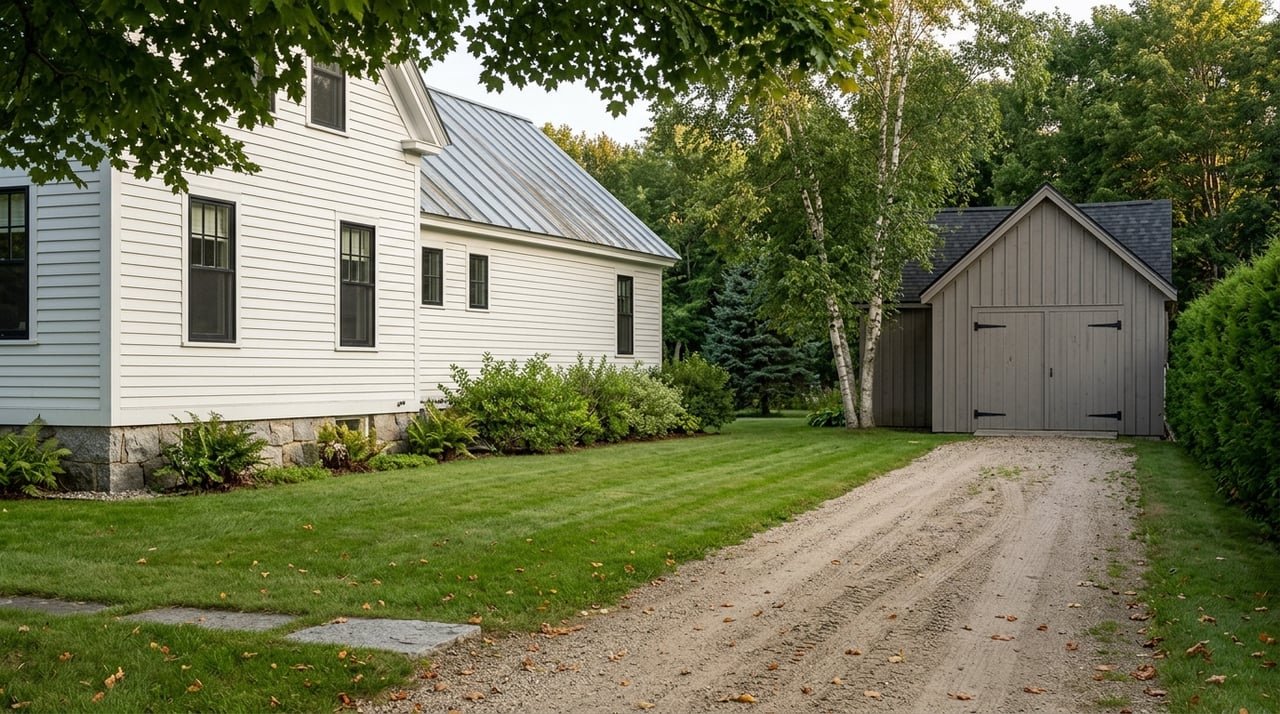
At the same time, more land usually means more responsibility. A property can look peaceful and simple on a showing, but the day-to-day reality may include mowing, drainage work, driveway care, snow removal, and seasonal upkeep that would not come with a smaller in-town lot.
That is why it helps to define what you want the land to do for you. If you want privacy and a buffer, one type of parcel may work well. If you want easier maintenance and quicker access to services, a smaller lot closer to the village may be the better fit.
Village Access vs Rural Privacy
One of the biggest decisions in Hinesburg is not just the house itself. It is the balance between convenience and space.
The village includes stores, services, and other everyday destinations, while more rural properties often offer more land and a quieter setting. Two homes may seem similar online, but their locations can create very different daily routines.
If you commute, that tradeoff becomes even more important. Burlington is about 14 miles away, Route 116 runs through the village, and Tri-Valley Transit’s 116 Commuter serves Hinesburg, South Burlington, and Burlington, so a Burlington-area commute can be realistic even if your home feels rural.
A good question to ask yourself is simple: what do you want your average Tuesday to feel like? That answer often helps narrow the search faster than square footage alone.
Seasonal Realities of Owning Land
Vermont weather plays a big role in how a property lives, especially when you own more land. Hinesburg notes that the average last frost is in late May and the first frost is in late September, which can affect landscaping, gardening, and general outdoor planning.
Winter is another major factor. The town says cold snaps can reach negative 20 to 30 degrees Fahrenheit, and that means snow removal, ice management, and reliable access matter a lot more when you have a long driveway or a hilly approach.
Then there is mud season. In Hinesburg, hilly dirt roads can become almost impassable for a few days, so buyers should think carefully about road conditions, drainage, driveway materials, and how easy it will be to get in and out during shoulder seasons.
Utilities to Check Early
If you are considering a home with land in Hinesburg, utilities should move to the top of your checklist. Some rural parts of town do not have municipal water and sewer, so you will want to confirm early whether the property relies on a private well and septic system.
That is not necessarily a problem, but it does change your due diligence. Vermont Health recommends regular private water testing, including bacteria testing every year and the Homeowner Testing Package every five years. The state also says testing is especially important when buying or selling a home with a private water source.
If the property has septic, Vermont DEC says annual inspection is a prudent practice. Inspections should address operation, maintenance, and any near-term replacement needs, which can help you budget more accurately before and after closing.
Land Features Can Affect Your Plans
Not all acreage works the same way. A property may show a generous lot size on paper, but environmental features can affect how that land can be used and what it may cost to maintain.
Hinesburg planning materials identify floodplains, wetlands, river corridors, and fluvial erosion hazards as important issues in town. That means land near water or in lower areas deserves a closer look before you assume it is ideal for expansion, recreation, or future projects.
The town’s Planning and Zoning staff can help with maps, and the GIS viewer shows parcels and environmental features. For buyers, that makes it easier to ask better questions before you fall in love with a parcel based on size alone.
Why Surveys and Permits Matter
When you buy a home with land, boundaries and access matter more than many buyers expect. A listing may describe a large lot, but you still want to confirm property lines, exact lot dimensions, and how the land is actually laid out.
Checking zoning and permits before you buy is also important. If you are thinking about additions, outbuildings, driveway changes, or other future use, early research can save time and frustration later.
In Hinesburg, Planning and Zoning staff can answer questions about permits and provide map support through the GIS viewer. That local guidance can be especially helpful when you are comparing homes that have very different site conditions.
Inspections for Homes With Land
A standard home inspection is a strong starting point, but homes with land often call for a wider lens. Depending on the property, buyers may also consider testing or inspections related to mold, radon gas, lead paint, or asbestos, especially in older homes.
For asbestos, Vermont Health says inspections must be done by a Vermont-licensed asbestos inspector. If you are looking at an older farmhouse or a property with older outbuildings, that is worth keeping in mind.
In a competitive market, it is still important to stay disciplined. The 2023 Hinesburg housing assessment reported extremely high demand, with many homes receiving multiple cash bids above asking, so having a clear must-have list can help you avoid stretching too far just to get extra acreage.
A Practical Buyer Checklist
Before you move forward on a Hinesburg home with land, it helps to organize your questions around a few key areas.
Property Use
- How do you want to use the land day to day?
- Do you want privacy, recreation space, storage, or room for future improvements?
- Are you comfortable maintaining the amount of open space the property includes?
Access and Upkeep
- Is the driveway long, steep, or on a dirt road?
- What will snow removal and mud season access likely look like?
- Does the site show signs of drainage issues or erosion concerns?
Utilities and Systems
- Is the home on municipal water and sewer, or private well and septic?
- When was the water last tested?
- What is known about septic maintenance and condition?
Land and Site Review
- Are there wetlands, floodplain issues, river corridor concerns, or other environmental constraints?
- Are the property lines clearly understood?
- Would a survey help clarify boundaries or access?
Budget and Priorities
- Are you paying for land you will truly use?
- Would a smaller parcel closer to the village better support your routine?
- What maintenance costs should you expect beyond the mortgage payment?
The Right Property Is the Right Fit
A home with land in Hinesburg can be a great match if you want more privacy, room to spread out, and a more rural feel without giving up access to the Burlington area. The key is knowing that acreage is not just a feature. It is a lifestyle choice with real maintenance, utility, and planning considerations.
When you evaluate the whole picture, from commute and convenience to wells, septic, drainage, and long-term upkeep, you are much more likely to buy a property that fits the way you actually live. That kind of clarity matters in any market, and especially in a competitive one.
If you are weighing village convenience against rural space, or trying to decide whether a larger parcel is truly worth it for your goals, The Hammond Team can help you evaluate your options with clear guidance, local insight, and a steady process from search to closing.
FAQs
What should you check first when buying a home with land in Hinesburg?
- Start with utilities, access, and site conditions. In Hinesburg, that often means confirming whether the property has municipal services or a private well and septic system, plus reviewing driveway access, drainage, and environmental features.
How does rural living in Hinesburg affect daily convenience?
- Homes farther from the village may offer more privacy and land, but they can also mean longer drives for errands and more seasonal upkeep. Village-area homes may offer easier access to stores, services, and Route 116.
Why is water and septic information important for Hinesburg acreage properties?
- Some rural parts of Hinesburg do not have municipal water and sewer. Vermont Health recommends regular private water testing, and Vermont DEC says annual septic inspection is a prudent practice.
What environmental issues can affect land in Hinesburg?
- Town planning materials identify floodplains, wetlands, river corridors, and fluvial erosion hazards as important local considerations. These features can affect maintenance, future plans, and how parts of the land can be used.
Is commuting from Hinesburg to Burlington realistic?
- Yes. Hinesburg is about 14 miles from Burlington, Route 116 runs through town, and Tri-Valley Transit’s 116 Commuter serves Hinesburg, South Burlington, and Burlington.
Why can a survey matter when buying a Hinesburg property with land?
- A survey can help confirm property lines, lot dimensions, and access details. That can be especially useful when you are buying a larger parcel or considering future improvements.