Looking for more space without feeling too far from everyday essentials? Fairfax, Vermont, often lands in that middle ground that many buyers want but struggle to define. If you are trying to decide whether this Franklin County town matches your lifestyle, budget, and commute needs, this guide will help you weigh the tradeoffs with more confidence. Let’s dive in.
What Fairfax Feels Like
Fairfax offers a rural-suburban mix that is shaped by both open land and a defined village center. The town includes farmland, wooded areas, and lower-density residential sections, but it also has a growth area intended for a mix of residential and commercial uses.
That matters because the town is not trying to be one thing everywhere. In and around the village center, you may find a more compact pattern with smaller lots and a mix of uses. Outside that core, the town plan focuses more on preserving open land, forestland, and rural character.
Fairfax is also growing. The Census Bureau estimates the population at 5,455 in July 2025, up 8.7% since 2020, and local planning documents describe it as one of the faster-growing towns in Franklin County.
Who Fairfax May Fit Best
Fairfax can be a strong option if you want more breathing room than you may find in denser parts of Chittenden County. It may especially appeal to buyers who want a detached home, a larger lot, or a quieter home base while still keeping access to the broader Burlington-area job market.
You may feel especially good about Fairfax if you value:
- More space around your home
- A small-town setting with a village center
- Outdoor-oriented daily life
- A housing market that is often below Burlington and some nearby Chittenden County suburbs
- A balance between privacy and regional access
On the other hand, Fairfax may be less ideal if your top priority is minimizing driving. The town is car-oriented, and that shapes both commuting and errands.
Fairfax Housing Costs and Inventory
If you are comparing Fairfax to nearby markets, expect pricing that sits in the middle of the regional spectrum. Zillow reports a typical home value of $464,688 as of May 31, 2026, while Redfin reports a median sale price of $420,000 for the three months ending May 2026. Those are different measures, but together they suggest a market that remains active and is not a low-cost outlier.
Census data adds more context. Fairfax has an owner-occupied housing rate of 85.7%, a median owner-occupied home value of $378,200, a median monthly owner cost with a mortgage of $2,200, and a median gross rent of $1,080.
For many buyers, that points to a market where ownership is the dominant pattern. It also suggests that rental options may exist, but they are likely more limited than in larger, denser communities.
How Fairfax Compares Nearby
For buyers deciding between Franklin County and the Greater Burlington area, Fairfax can feel like a middle-ground option. Based on current Zillow value metrics in the research, Fairfax is typically less expensive than Burlington, South Burlington, Essex, and Colchester, while coming in above St. Albans and Swanton and roughly in range with Georgia.
That comparison can be helpful if you are trying to trade off price, commute, and lot size. You may get more space than you would in some Chittenden County locations, but you may also pay more than you would in other Franklin County towns.
What Types of Homes You Will Likely See
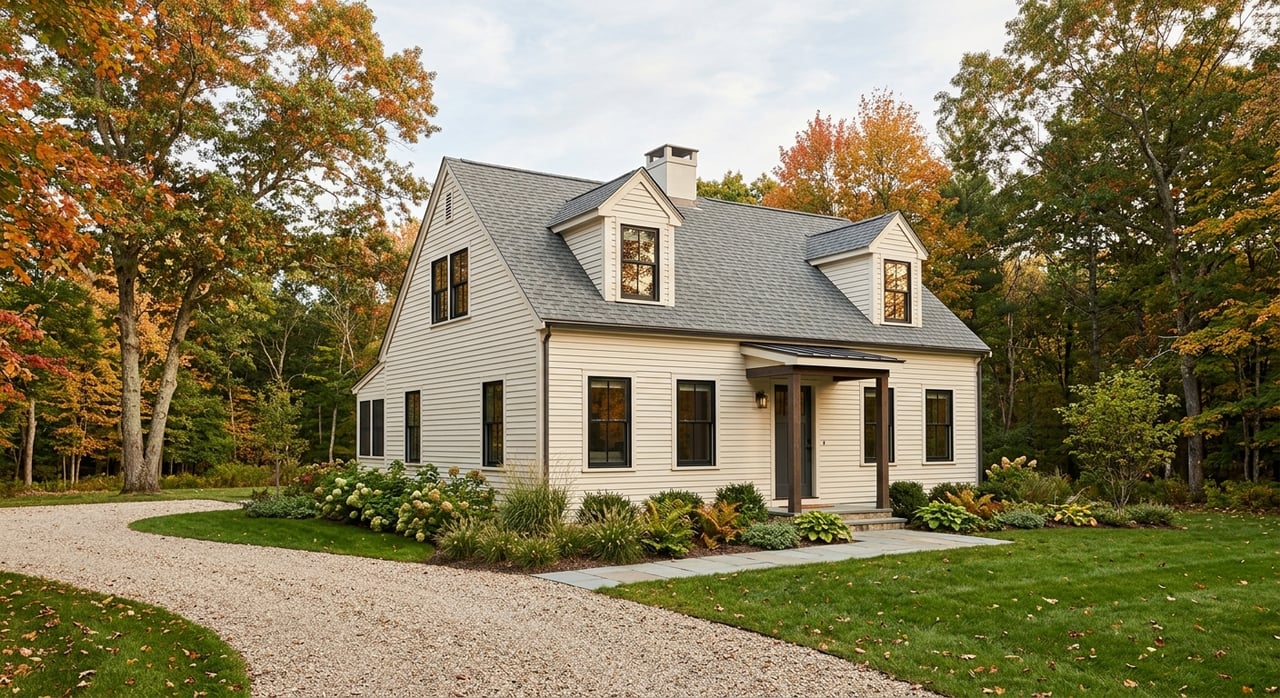
Housing in Fairfax appears to lean heavily toward single-family homes. Current inventory categories also include condos, townhomes, and land, but detached homes on larger lots are likely to be the dominant pattern across the market.
Closer to the village center, you may find smaller-lot options and a somewhat more compact layout. In more rural and low-density areas, the feel is more open and spread out.
If your wish list includes land, privacy, or a more traditional single-family setup, Fairfax may check a lot of boxes. If you want dense housing choices or a broad rental market, your options may be narrower.
Daily Life in Fairfax
One of Fairfax’s strengths is that it supports everyday living with a solid small-town framework. The town points residents to services and amenities that include a business directory, community organizations, health care, library access, parks and recreation, schools, public safety, water and sewer information, and a new-resident guide.
The Fairfax Community Library is located on Hunt Street inside BFA-Fairfax. Bellows Free Academy at the same address serves elementary, middle, and high school students.
Health care is relatively local for a rural town. Fairfax is served by Northern Tier Center for Health, including the Fairfax pharmacy and Fairfax Health Center, while Northwestern Medical Center in nearby St. Albans serves as the community hospital.
Outdoor Recreation and Community Spaces
If you enjoy outdoor time close to home, Fairfax has a lot going for it. Local planning documents describe the Lamoille River as a place for fishing and canoeing, and they note that wooded areas and fields are used for activities like walking and snowmobiling.
The town also identifies a 23-acre community park and recreation path with more than a mile of mixed-surface trails. Parks and recreation resources also include a recreational park pavilion and the James Herbert Bellows Fairfax Community Center.
That means recreation in Fairfax tends to be practical, local, and outdoors-focused. Instead of an urban entertainment mix, you are more likely to build your routine around trails, open land, and community spaces.
Commute Reality in Fairfax
Commute expectations are one of the biggest factors to get right before buying in Fairfax. Census data shows a mean travel time to work of 30.8 minutes, and local planning documents say most employed residents commute by driving alone.
About 55% of employed residents commute to Chittenden County, while only 8% work for Fairfax employers. That helps explain why Fairfax appeals to buyers who want a quieter home setting but still need access to jobs outside town.
There are also transit limits to know. Local planning documents state that no regional transit routes directly serve Fairfax, with the nearest transit stop at Georgia Industrial Park or St. Albans Town for the St. Albans Link Express, and the closest official commuter park-and-ride at Exit 18 in Georgia.
Shopping and Errands
Your errands in Fairfax will likely involve some driving. The town-plan draft says residents mainly travel to St. Albans and surrounding towns for retail shopping such as groceries, clothing, and toiletries, though some services are available in the village center.
For some buyers, that tradeoff feels completely worth it. If you would rather come home to more space and a less dense setting, a short drive for routine shopping may not feel like a major downside.
For others, especially if you are used to having many stores and services close by, this could feel like an adjustment. The key is being honest about your day-to-day habits before you buy.
Questions to Ask Yourself Before Buying in Fairfax
If you are unsure whether Fairfax is the right fit, ask yourself these practical questions:
- Do you want more land or privacy than you can find in denser suburbs?
- Are you comfortable with a car-dependent routine?
- Would a village-center option work for you, or do you want a more rural setting?
- Are you comparing Fairfax with Burlington-area towns mainly for price, space, or commute?
- Do you want a market where ownership is the dominant housing pattern?
Your answers can make the decision clearer. Fairfax is not trying to compete with Burlington or South Burlington on walkability or transit. Its value is in offering more space, a small-town framework, and access to the region from a less dense home base.
Bottom Line on Fairfax
Fairfax can be a great fit if you want a true rural-suburban compromise. You get a town with a defined center, a strong ownership base, outdoor recreation, and access to the broader Burlington-area economy, but you also need to be comfortable with driving and a less urban pattern of daily life.
For many buyers, that balance is exactly the point. If you are looking for a home base that feels more spacious than the Chittenden County core, while still staying connected to the region, Fairfax is worth a closer look.
If you are weighing Fairfax against other Vermont towns, The Hammond Team can help you compare price, commute, inventory, and lifestyle so you can move forward with clarity.
FAQs
Is Fairfax, Vermont considered rural or suburban?
- Fairfax is best described as a rural-suburban mix, with open land and lower-density areas alongside a defined village center and growth area.
How expensive are homes in Fairfax, Vermont?
- Current research places Fairfax home values and sale prices in the low-to-mid $400,000s, with Zillow reporting a typical home value of $464,688 and Redfin reporting a $420,000 median sale price for the three months ending May 2026.
What kinds of homes are common in Fairfax, Vermont?
- Fairfax housing appears to be dominated by single-family homes, with some condos, townhomes, and land also available.
Is Fairfax, Vermont good for commuters?
- Fairfax can work well for buyers who are comfortable driving, especially those commuting toward Chittenden County, but it is not ideal for buyers who want direct regional transit service.
Are everyday services available in Fairfax, Vermont?
- Fairfax has a small-town service base that includes community resources, library access, parks and recreation, health care, and village-center services, though many residents travel to St. Albans and nearby towns for broader retail shopping.
What makes Fairfax, Vermont appealing to homebuyers?
- Many buyers are drawn to Fairfax for its larger-lot feel, rural character, village center, outdoor recreation, and pricing that is often lower than Burlington and some nearby Chittenden County suburbs.