Wondering how to sell your South Burlington home without feeling like you are making it up as you go? That is a common concern, especially when you are trying to balance timing, prep work, pricing, showings, and the details that come with closing. In a market where homes can move relatively quickly, a clear plan can help you avoid rushed decisions and present your home with confidence. Let’s walk through the roadmap from prep to closing.
Start With the South Burlington Market
South Burlington has remained an active market by recent public measures. March and April 2026 market snapshots from major housing dashboards each reported a median sold price of $500,000, with median days on market ranging from 38 to 46 and a 100% sale-to-list ratio in one report.
For you as a seller, that does not mean every home will sell the same way. It does mean your early pricing, presentation, and launch strategy can matter quickly because buyers may form opinions fast in a market with steady activity.
Prepare Before You List
A strong sale often starts before the sign goes in the yard. Pre-listing prep is your chance to reduce surprises, improve presentation, and make your home easier for buyers to understand and appreciate.
Focus on Condition First
Start with the basics that affect how your home shows and how confident buyers feel. Cleaning, decluttering, and improving curb appeal can help your home photograph better and create a stronger first impression during showings.
Pay extra attention to high-visibility areas like windows, carpets, walls, landscaping, and the front entry. These details may seem small, but they shape how buyers experience the home both online and in person.
Decide Whether a Pre-Sale Inspection Makes Sense
A pre-sale inspection is optional, not required. It can help uncover issues with the roof, structure, plumbing, electrical, HVAC, or other systems before a buyer’s inspection brings them to light.
That does not mean every seller needs one. It simply gives you a chance to learn more about your home’s condition early so you can decide whether to repair, disclose, price accordingly, or prepare for negotiation.
Gather Documents Early
Before your home hits the market, collect any warranties, guarantees, and manuals for items that will stay with the property. Having those ready can make the closing process smoother and help buyers feel more comfortable about the home’s systems and features.
It is also a good time to organize records for any recent updates or repairs. Clear documentation can support your listing and reduce last-minute scrambling later.
Check Permits Before You Repair or Update
If you are planning repairs or improvements before listing, make sure you understand local permit rules first. In South Burlington, many interior renovations require a building permit, and some projects may also need zoning approval.
According to the city’s permit guide, interior remodels, basement finishing, and replacement of windows, roofs, or siding may require a zoning permit if the total project cost exceeds $5,000. Additions require a zoning permit, and permit processing can take up to 30 days under state law.
Projects Worth Checking With the City
Before starting work, it is wise to confirm whether your project needs approval. Common examples include:
- Interior remodels
- Basement finishing
- Window replacement
- Roof replacement
- Siding replacement
- Additions
If your listing timeline is tight, permit timing can affect when your home is truly ready to launch. Planning ahead helps you avoid delays and keeps your sale schedule more predictable.
Handle Vermont Disclosures Carefully
Disclosures are a key part of selling a home in Vermont. They are not just paperwork. They help set expectations and reduce the risk of confusion during the contract phase.
Flood Disclosure Requirements
Vermont law requires sellers, prior to or as part of the contract, to provide a FEMA flood map or notice that one is unavailable. Sellers must also disclose whether the property experienced flooding or flood damage during their ownership and whether flood insurance is maintained or required.
Because this information can affect buyer decisions, it is best to prepare it early rather than wait until an offer is on the table. Early preparation helps keep the process moving.
Lead-Based Paint Disclosure
If your home was built before 1978, federal law requires lead-based paint disclosures. That includes the required EPA/HUD pamphlet, any known lead information, and any available records or reports.
If this applies to your property, gathering those materials before listing can help avoid contract delays. It also gives buyers a clearer picture of what they are considering.
Make Presentation Part of the Strategy
Presentation is not about turning your home into something it is not. It is about helping buyers clearly see the space, the layout, and the features that matter most.
National staging research in 2025 found that 83% of buyers’ agents said staging made it easier for buyers to visualize a home as their future residence. In the same research, 29% of agents said staging increased the dollar value offered by 1% to 10%, and nearly half of sellers’ agents said staging reduced time on market.
Prioritize the Rooms That Matter Most
You do not always need to stage every room the same way. The most commonly staged spaces were:
- Living room
- Primary bedroom
- Dining room
- Kitchen
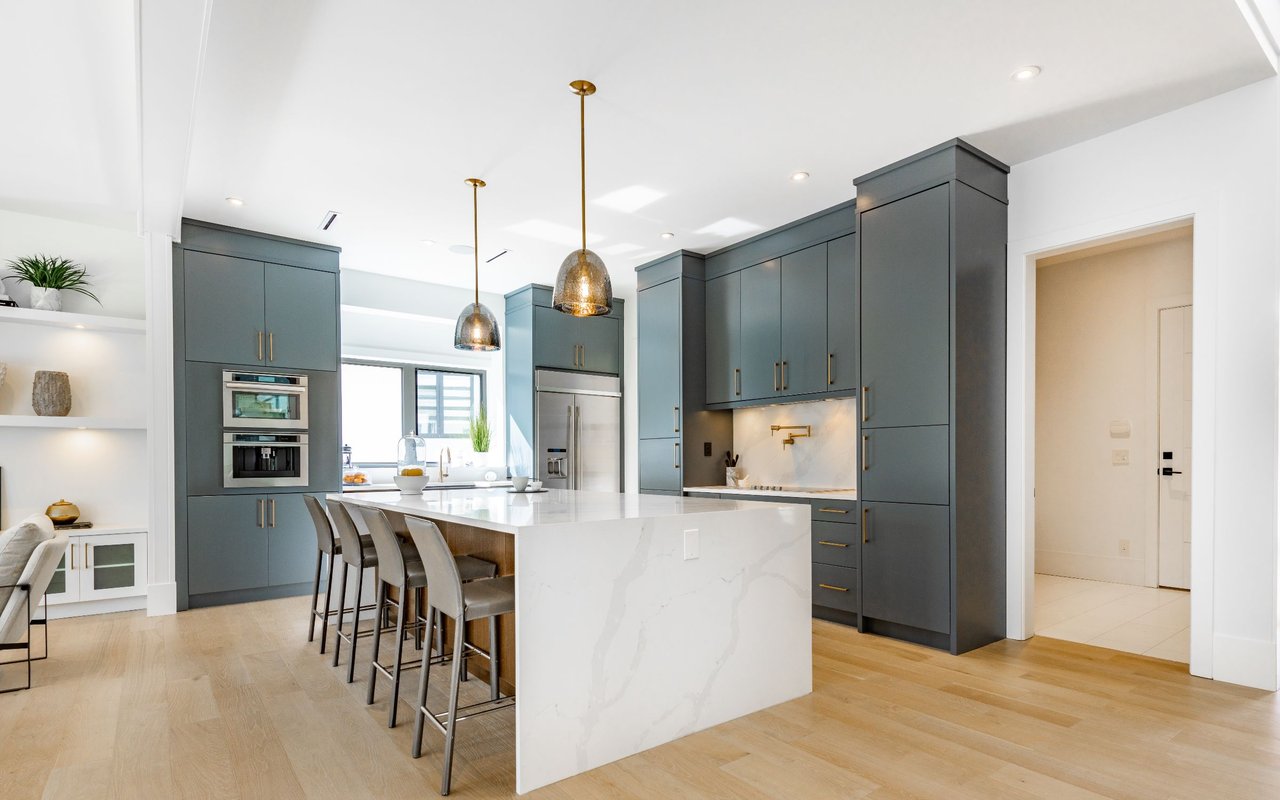
These are often the areas buyers remember first from photos and showings. A thoughtful plan for furniture placement, lighting, and visual flow can help each room read more clearly.
Professional Photos Matter
Buyers usually see your home online before they ever schedule a showing. In NAR’s 2025 staging research, 73% of buyers’ agents said photos were important or very important, and 88% of sellers’ agents said photos were important or very important to clients.
That makes listing photography a core part of your launch, not an afterthought. Strong photos can help your home stand out, especially during the first days on the market when attention is often highest.
For sellers who want a more polished launch, this is where a guided, full-service approach can make a real difference. The Hammond Team’s in-house photography and staging support is designed to help sellers prepare, present, and market their homes with a clear plan from the start.
Launch With a Clear Marketing Plan
Once your home is ready, the goal is to create as much qualified attention as possible in the early listing window. Marketing may include staging, professional photography, social media, signage, open houses, and competitive pricing.
MLS exposure typically provides the broadest reach. Showings and open houses then give buyers a chance to experience the home in person and compare it to other options they are considering.
What the First Weekend Can Do
When it fits your goals and schedule, a first open house the weekend after the listing goes live can help maximize exposure. This can be especially helpful when buyer activity is steady and you want to give the market a clear chance to respond.
The right approach depends on your home, timing, and comfort level. What matters most is launching with purpose instead of piecing things together as you go.
Review Offers With the Full Picture
When offers arrive, your focus shifts from prep and presentation to evaluation. Price matters, but it is not the only thing to compare.
You may also want to review timing, contingencies, requested concessions, and how likely the buyer is to make it all the way to closing. A clean offer is not always the highest one, and the strongest choice often depends on the full terms.
Understand Concessions and Compensation Choices
Sellers can still offer buyer concessions. Sellers also still have choices about buyer-broker compensation, but those choices need to be discussed with your agent and approved in advance in writing.
One important change is that the MLS can no longer be used to advertise buyer-broker compensation. That makes clear communication and strategy even more important during the listing setup and negotiation stages.
Move From Contract to Closing
After you accept an offer, the transaction enters the contract-to-closing phase. This is where the deal moves from agreement to execution.
Buyers may complete inspections if the contract includes an inspection contingency. If issues come up, you may need to negotiate repairs, credits, or other concessions to keep the transaction moving.
Expect Inspection and Appraisal Steps
If the buyer is financing the purchase, appraisal-related steps often follow. During this stage, timing matters, and communication matters just as much.
Escrow refers to the period when a third party holds funds until both sides satisfy the contract terms. In practical terms, this is the stretch where deadlines, documents, and negotiations all need to stay aligned.
Know the Vermont Closing Basics
Closing in Vermont involves more than signing a few final papers. It is the point where taxes, deed paperwork, transfer tax filings, and recording all need to line up.
Unless your contract says otherwise, Vermont law provides that real estate taxes are prorated by the closing date. Vermont also imposes a property transfer tax on deeds, with a general rate of 1.25% of value and a lower-rate structure for a transferee’s principal residence.
South Burlington Recording Details
In South Burlington, the City Clerk handles land-record recording. The city states that a deed cannot be recorded unless it is accompanied by a completed Property Transfer Tax Return, also called a PTTR.
The city’s land-record fee schedule lists $15 per page for document recording and $15 per PTTR. Vermont law also requires deeds and other conveyances to be signed, acknowledged, and recorded in the town where the land is located.
Your Final Closing Checklist
As closing approaches, expect a paperwork-heavy finish line that may include:
- Final review of settlement figures
- Real estate tax proration by closing date
- Deed execution and acknowledgment
- Property Transfer Tax Return completion
- Recording with the South Burlington City Clerk
This stage can feel detail-heavy, but a guided process helps keep each piece moving in the right order.
A Roadmap Makes Selling Easier
Selling your South Burlington home is easier when you treat it like a process, not a guessing game. From repairs and permits to staging, marketing, disclosures, negotiations, and closing paperwork, each step builds on the one before it.
If you want calm guidance, strong communication, and hands-on support with listing prep, presentation, and the sale process, The Hammond Team is here to help you move forward with confidence.
FAQs
What is the typical timeline to sell a home in South Burlington?
- Recent market snapshots showed median days on market ranging from 38 to 46 days in spring 2026, but your actual timeline can vary based on pricing, condition, presentation, and buyer demand.
What disclosures do Vermont home sellers need to provide?
- Vermont sellers must provide flood-related disclosures prior to or as part of the contract, and sellers of most pre-1978 homes must also provide the required lead-based paint disclosures and related materials.
What home improvements may need permits in South Burlington?
- Many interior renovations require a building permit, and interior remodels, basement finishing, and some window, roof, or siding replacement projects may require a zoning permit if total project cost exceeds $5,000.
What happens after a seller accepts an offer in Vermont?
- After an offer is accepted, the buyer may move forward with inspections and financing-related steps, and the transaction continues through escrow until the contract terms are satisfied and the closing documents are completed.
What fees and paperwork are involved in closing a South Burlington home sale?
- Closing may involve tax proration, deed signing, a completed Property Transfer Tax Return, and recording with the South Burlington City Clerk, which charges recording fees listed as $15 per page and $15 per PTTR.